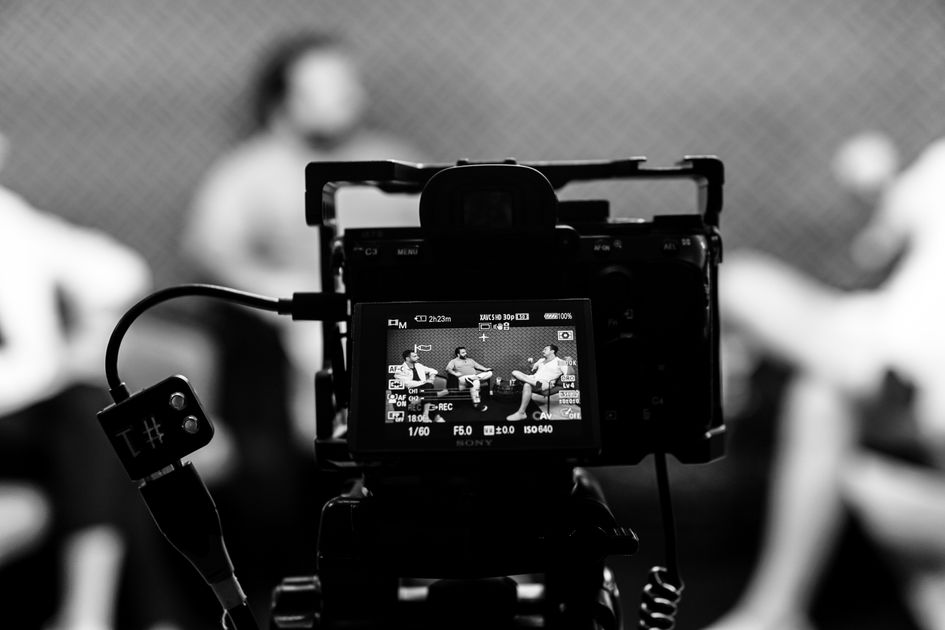
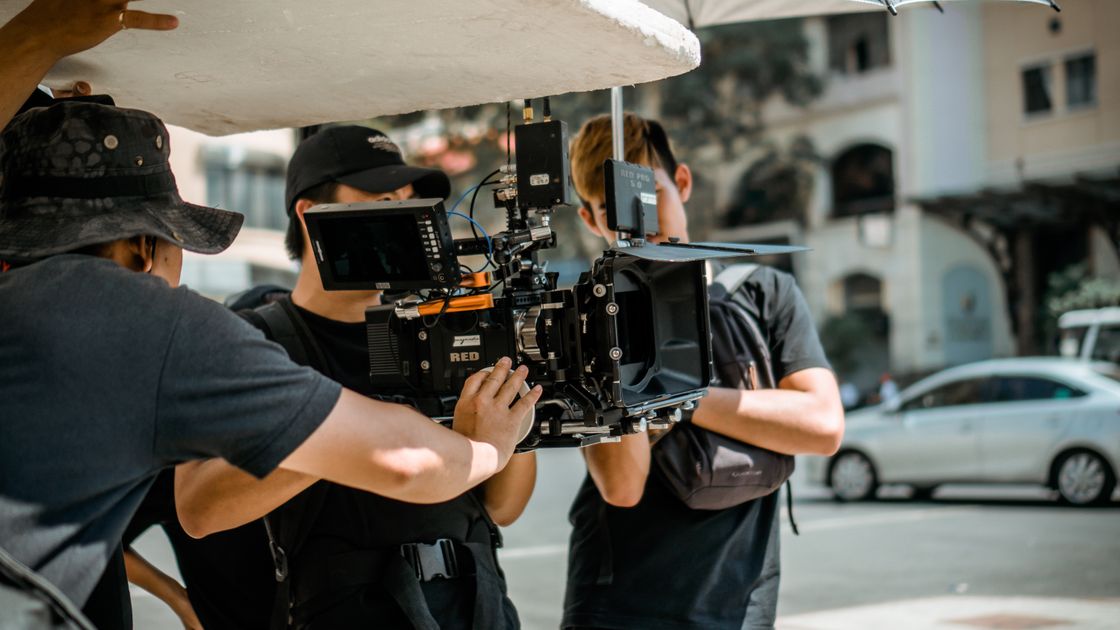
This is the 10-step workflow for editing a single interview conversation. For a stage map of interview-based productions with multiple subjects, see How to Edit Interview-Based Videos.
If you've ever opened a project containing three hours of interviews to produce a five-minute video, you've probably realized something within the first ten minutes: editing interviews isn't really about cutting footage. It's about finding a story.
Anyone can remove awkward pauses, tighten answers, and add B-roll. Those are technical editing skills. The hard part — the part that separates experienced editors from beginners — is figuring out what the interview is actually about before you start making cuts.
That's why many interview edits take far longer than expected. The timeline isn't the bottleneck. Story discovery is.
Whether you're editing a documentary, a branded content piece, a customer testimonial, a podcast, or a corporate interview, the workflow is remarkably similar. The editors who finish faster aren't necessarily clicking faster. They're making better decisions before they touch the timeline.
Here's how professional editors approach interview-based productions.
Step 1: Don't Open Premiere Pro First
This sounds counterintuitive. But many editors lose hours because they begin editing before understanding the material.
Opening the timeline immediately encourages tactical decisions: "Let's trim this answer." "Let's remove this pause." "Maybe this quote belongs earlier." These decisions feel productive. Often, they aren't.
Before making a single cut, understand the interview. Ask yourself:
- What is this person actually saying?
- What's the central message?
- Where does the story begin?
- What changes by the end?
- Is there conflict?
- Is there transformation?
- What's emotionally interesting?
Until you can answer those questions, every edit is essentially a guess.
Step 2: Review the Transcript Instead of Scrubbing the Timeline
Professional editors rarely search through interviews by dragging the playhead. They read.
A transcript makes patterns visible. Repeated ideas become obvious. Themes emerge. Contradictions stand out. Strong quotes reveal themselves much faster than they do while scrubbing through footage.
Instead of asking "Where was that quote?" ask "Which quotes actually matter?"
Reading is often several times faster than listening. That's why transcript-first workflows have become standard across documentary, journalism, branded content, and corporate storytelling.
Step 3: Find the Story Before the Soundbites
One of the biggest mistakes new editors make is collecting interesting quotes. Interesting quotes don't automatically become a story.
Professional editors look for narrative structure. A simple framework works surprisingly well:
- The situation — Where is the audience starting?
- The problem — What challenge creates tension?
- The turning point — What changes?
- The resolution — What does the audience learn?
Every interview won't fit perfectly into this structure. But thinking narratively helps prevent edits that feel like disconnected collections of talking heads.
When the raw material is a transcript, the full process is how to turn interview transcripts into a story.
Step 4: Build a Paper Edit
Long before digital editing existed, documentary editors built paper edits. They printed transcripts. Highlighted quotes. Rearranged sections. Experimented with story flow.
The medium has changed. The principle hasn't.
Before assembling a timeline, organize the story on paper — or digitally. Move ideas around. Group related quotes. Test different openings. Explore alternate endings.
This is much faster than constantly rebuilding sequences inside Premiere Pro.
Step 5: Create a Selects Sequence
Only now should you begin building the timeline. Instead of importing every interview directly into your main edit, create a dedicated selects sequence.
Include only the quotes that support your story. Don't worry about pacing yet. The goal is collecting the raw ingredients.
Think of it as gathering scenes before directing the movie.
Step 6: Tighten Every Answer
Once your story exists, begin refining individual performances. Look for:
- Long pauses
- Repeated phrases
- False starts
- Filler words
- Tangents
- Off-topic responses
Be careful not to over-edit. Natural speech contains imperfections. Removing every pause can make interviews feel robotic. Sometimes hesitation communicates more emotion than perfect grammar.
Step 7: Fix the Structure Before Adding B-Roll
This is one of the most common beginner mistakes. Editors start adding beautiful visuals before confirming the interview actually works.
Don't.
Close your eyes. Listen to the interview without looking. Does the story make sense? Can someone understand it through audio alone? If not, adding drone shots won't solve the problem.
Strong interview edits work as radio before they work as video.
Step 8: Add B-Roll With Purpose
Once the interview stands on its own, B-roll becomes much more effective. Good B-roll does one of three things:
- Illustrates what's being discussed.
- Adds emotional context.
- Hides necessary cuts.
If a shot doesn't accomplish at least one of those goals, it probably doesn't belong. B-roll should strengthen the story — not distract from it.
Step 9: Refine the Rhythm
Interview editing isn't just about what people say. It's about when they say it.
Pay attention to pacing. Alternate between:
- Long answers and short answers
- Reflection and action
- Emotion and information
- Silence and momentum
These contrasts keep audiences engaged.
Step 10: Watch the Entire Edit Like a Viewer
Before exporting, stop thinking like an editor. Watch the piece from beginning to end. Ask yourself:
- Where did my attention drift?
- Was anything confusing?
- Did the opening earn the audience's attention?
- Was the ending satisfying?
- Did every section move the story forward?
If a scene doesn't serve the narrative, remove it. The best editors are often the best at deleting their own work.
Common Mistakes When Editing Interviews
- Starting With the Timeline — Understanding comes before cutting.
- Chasing Every Good Quote — Not every interesting quote belongs in the final story.
- Using B-Roll to Hide Weak Storytelling — Beautiful footage can't fix poor narrative structure.
- Editing Sentence by Sentence — Always think in ideas, not individual clips.
- Ignoring Emotional Progression — Facts are remembered. Emotions are felt. Great interview edits balance both.
A Faster Workflow for Modern Interview Editing
As productions grow larger, many editors are changing how they approach interview projects. Instead of discovering the story while editing, they identify the narrative first.
That means analyzing transcripts before building timelines, organizing ideas before moving clips, and creating a clear story structure before refining individual soundbites. This separation between story planning and timeline editing reduces unnecessary revisions and makes every subsequent editing decision more intentional.
Tools like Supacut are built around this philosophy. Rather than replacing the editor, they help identify themes, recurring ideas, conflict, and story possibilities from interview transcripts, so editors can explore and organize the material before they start cutting.
The goal isn't automation. It's helping editors spend less time searching for the story and more time telling it.
Final Thoughts
Editing interviews has never been about making the cleanest cuts. It's about recognizing the strongest narrative hidden inside hours of conversation.
The technical side of editing — trimming pauses, adding B-roll, mixing audio — is relatively straightforward. Finding the right story is what makes the difference.
The most experienced editors know that the timeline isn't where storytelling begins. It begins long before the first cut, with careful listening, thoughtful analysis, and a clear understanding of what the audience should feel by the end.
Once that foundation exists, every edit becomes easier. Because you're no longer searching for the story. You're simply revealing the one that was there all along.
From here: edit a documentary with multiple interview subjects, build a story structure from multiple interviews, organize interview footage, log interviews so you stop searching, edit transcripts before Premiere, turn transcripts into a story, identify the strongest quotes, build a first cut from interview selects, select soundbites, edit interviews faster, edit long interviews, edit emotional interviews, or move into documentary interviews, a documentary post-production workflow from raw interviews, a documentary rough cut, and rough cut vs fine cut. Use the interview editing checklist before you call a cut finished.