How to Edit an Interview: The Complete Guide
Interview-based editing starts long before the timeline. Here is how professional editors move from hours of raw footage to a structured first cut.
Editorial Insights
Editorial insights, workflows, and ideas for teams working with interview-based content.

Interview-based editing starts long before the timeline. Here is how professional editors move from hours of raw footage to a structured first cut.

Story producing is the discipline of finding a story inside raw material. Here is how to identify themes, conflict, and character arcs in interview footage before the edit begins.

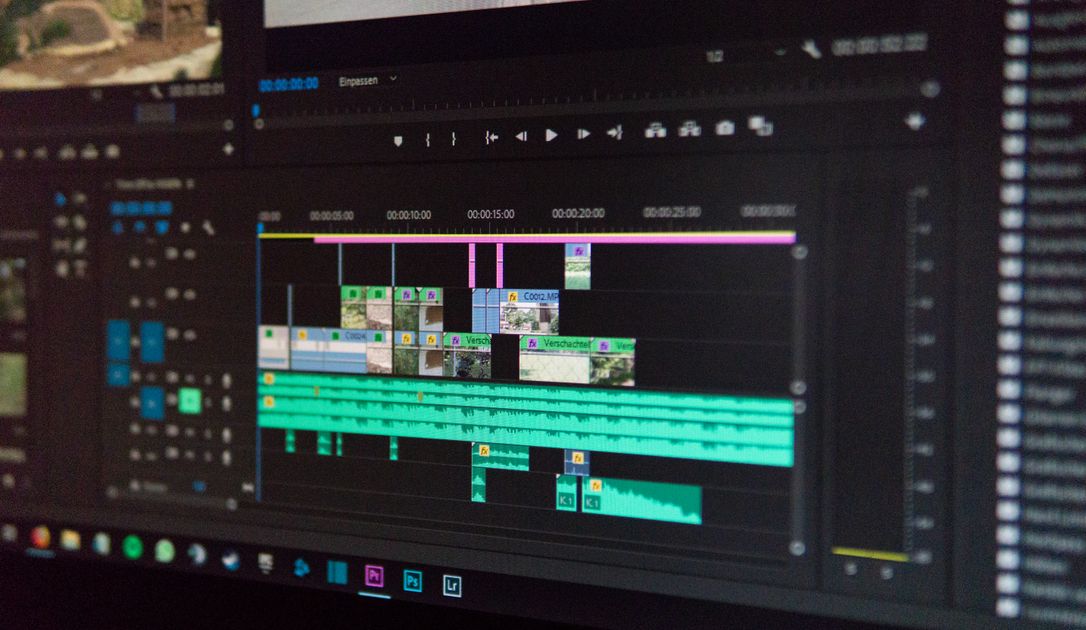
The first cut is the most important cut. Here is a step-by-step walkthrough of how to build one from interview footage inside Premiere Pro.

Documentary post-production follows a structured pipeline. Understanding each phase — from transcript review to final delivery — is how documentary editors maintain control over complex, interview-heavy projects.

AI is not replacing editors — it is eliminating the part of the job that was never really editing. Here is how AI story editors are changing the interview-based production workflow.

Story producers are handing editors AI-generated paper edits full of quotes that don't exist. Here's why language generation is the wrong tool for editorial workflows — and what a better approach looks like.

Text-Based Editing changed how editors navigate interviews — but it was never designed to build stories. Here's what happens when ripple deletes, multicam dependencies, and structural revisions expose its limits.

Interview editing starts with story discovery, not timeline cuts. Here is the professional 10-step workflow for moving from raw footage to a compelling narrative.

Professional editors don't start with the timeline. They read the transcript. Here is the step-by-step transcript editing workflow that leads to faster, stronger first cuts.

AutoEdit automates repetitive timeline tasks — silence removal, filler words, multicam sync. But if your bottleneck is finding the story inside hours of interviews, a different kind of AI tool solves the earlier problem.

Professional interview editing isn't about trimming the bad parts. It's about finding the story before you touch the timeline. Here's the complete editorial workflow — from footage review through final cut.

Professional documentary editors build the story before they build the timeline. Here is the complete transcript-first workflow — from reading raw interviews through assembling a structured first cut.

Text-based video editing turns spoken dialogue into searchable text, letting editors navigate, review, and structure stories before touching the timeline. Here's how it works and when to use it.

Most editors open Premiere and start trimming. Professional documentary editors build the story first. Here is the complete workflow — from organizing footage through transcript review, story assembly, and final cut.

AI is changing Premiere Pro — but not by replacing editors. Here is a complete guide to which AI tools actually work inside professional workflows, where they fall short, and how to use them to spend more time on storytelling.

The complete documentary editing workflow used by professional editors—from transcripts and paper edits to narrative arcs, rough cuts, and final delivery.

Learn not only how to transcribe video in Premiere Pro, but how professional editors use transcripts to organize interviews, discover stronger narratives, and build rough cuts more efficiently.

Understand why Premiere Pro transcription fails, how to fix the most common errors, and how to build a workflow that prevents problems before they occur.

Becoming a faster editor isn't primarily about clicking faster—it's about making fewer unnecessary decisions. These 25 Premiere Pro tips cover the workflow habits professional editors use every day.

The right AI editing tool depends entirely on the problem you're trying to solve. Instead of ranking by popularity, this guide compares AI tools by the bottlenecks they remove.

The strongest interview edits are rarely discovered in the timeline. Professional editors read transcripts, build paper edits, and identify story structure before a single clip moves.

A paper edit isn't a document—it's the thinking that happens before the timeline. Professional documentary editors use paper edits to discover story structure before a single clip moves.

Story discovery is how documentary editors find the narrative hidden inside hours of interviews—before a paper edit exists, before the timeline opens, and before any clip moves.

Most editors struggle not because they edit slowly, but because they start editing too early. The transcript-first workflow separates story discovery from story construction so every timeline decision is backed by real understanding.

Professional editors never do structural editing and fine cutting at the same time. One determines what the story is. The other determines how the story feels. Confusing the two is how rough cuts spiral into endless revisions.

Most first cuts fail not because the editing is bad, but because they were asked to answer too many questions at once. Professional editors separate story discovery from the first cut—so the timeline becomes a place to validate the story, not search for it.

Most descriptions of documentary post-production explain what happens but not how editors think while it happens. Professional workflows aren't organized around software—they're organized around uncertainty. Each stage exists to eliminate a different layer of it.

Editing a single interview is an exercise in clarity. Editing ten interviews is an exercise in interpretation. That's where documentary editing changes completely—and why professional editors stop thinking about individual conversations and start thinking about networks of ideas.

Documentary editing rarely works with one narrator. The story exists somewhere between all the interviews. Here is how professional editors design relationships between perspectives to build one coherent narrative from many voices.

The biggest difference between a rough cut and a fine cut isn't how the timeline looks. It's what questions the editor is still trying to answer. Understanding this distinction changes the way professional editors approach every stage of post-production.

Stories don't emerge because one interview contains a brilliant quote. They emerge because many interviews quietly point toward the same underlying idea. Here is how to identify narrative themes across multiple interviews.

A selects sequence isn't a storage folder inside the timeline. It's a working environment designed to make the documentary easier to build. Here is how professional editors approach it.

Pacing isn't about how quickly images change. It's about how quickly understanding changes. Here is how professional editors pace interview stories so they never feel slow.

B-roll can improve how a story is experienced. It cannot create a story that doesn't exist. Here is why professional editors solve narrative problems before visual ones.

Professional editors don't become faster by clicking quicker. They become faster by stopping the timeline from solving problems it was never designed to solve. Here's why discovery belongs outside the timeline.

The biggest interview editing mistakes aren't technical. They're workflow mistakes. Here are 15 mistakes professional documentary editors consistently avoid—and what they do instead.

Silence is not empty. It carries hesitation, regret, relief, and reflection—often more honestly than the words that follow. Here is how professional editors decide which silences to keep.

Filler words do not all serve the same purpose. Some interrupt the audience. Others reveal uncertainty, emotion, and thought. Here is how professional editors decide which to cut.

Text-Based Editing changed where documentary editing begins. This complete guide covers the professional transcript-first workflow, common mistakes, and where Premiere reaches its limits.

AI story editors accelerate story discovery, not decision-making. Here is what AI can actually do with interview transcripts today, and where human editorial judgment remains irreplaceable.

Premiere Text-Based Editing and AI story editors seem similar but solve two different problems: retrieval vs story discovery. Here is how they differ and why workflows benefit from both.

AI is changing how stories are produced, not replacing editors. It accelerates story discovery by organizing interviews, themes, and relationships before editing begins.

Story producers discover the story; video editors transform it into an experience. Here's how the roles differ and why documentary workflows need both.

Highlighting transcripts and creating a paper edit are related but different. One collects information; the other organizes it into a narrative. Here's the difference.

Reducing 20 hours of interview footage to a 10-minute film isn't about compression. It's about discovery—finding which 10 minutes deserve to exist.

The strongest documentaries aren't built by experimenting inside a timeline. They emerge from editorial thinking that happens long before the first clip is cut.

The hardest part of documentary editing isn't cutting footage. It's understanding the material. Finding the story often takes longer than building the timeline.

The hardest part of documentary editing isn't learning the software. It's discovering the story hidden inside hours of interviews before the timeline begins.

The most engaging interview edits aren't necessarily the shortest. Good pacing comes from story progression, not faster speaking. Here's why information flow matters more than speed.

Great B-roll doesn't just hide jump cuts. It adds context, emotion, and subtext. Discover why the best documentary editors choose B-roll based on story, not the timeline.

Engagement doesn’t come from camera movement. It comes from narrative movement. Discover why the strongest talking head edits are driven by story, not visual tricks.

Removing every pause can make interviews feel mechanical. Learn to distinguish dead time from thinking time, and remove pauses while preserving authenticity and emotion.
More cameras don’t automatically create better interviews. Learn a story-first multicam workflow where every angle change has a purpose and supports the conversation.

Editing long interviews is slow because of searching, rewatching, and uncertainty—not cutting. Learn a story-first workflow that finds the narrative before the timeline opens.

Assembly is where scattered conversations become a narrative. Learn to build interview assemblies around ideas, not chronology, so structure comes before polish.

Most interview editing mistakes aren’t technical—they happen when editors make technical decisions before editorial ones. Learn the seven most common mistakes and how to prevent them.

Organizing footage isn't the same as organizing a story. Here is how to organize interview footage around themes and ideas — not just files and folders — so editing becomes dramatically simpler.

Emotion doesn't need to be created. It's already in the footage. Here is how professional editors recognize, protect, and preserve authentic emotional moments in interview-based projects.

Editing documentary interviews isn't about shortening conversations. It's about transforming conversations into stories. Here is how professional editors discover meaning inside hours of unscripted material.

A finished edit isn't always a finished story. This checklist helps editors evaluate whether every editorial decision serves the narrative before exporting.

Interviews contain experiences, not stories. Here is how professional documentary editors discover narrative structure by connecting ideas across interviews before building the timeline.

The best soundbites aren't the most memorable lines. They're the ones that move the story forward. Here is how professional documentary editors select interview quotes with purpose.

Premiere Pro is where editorial decisions become visual decisions. Here is a professional interview editing workflow that separates story discovery from execution.

Transcript accuracy matters, but not the way most editors assume. Here is what actually affects Premiere Pro transcription quality and when precision becomes editorial confidence.

Supporting a language and supporting an editorial workflow aren't always the same thing. Here's what editors need to know about Premiere Pro's transcription language support.

A good transcript is only the beginning. Here are the best practices for using Premiere Pro transcripts to support story discovery, not just speech-to-text.

Shortcuts don't create faster editors. The biggest gains come from reducing decisions, not pressing keys faster. Here are the Premiere Pro transcript shortcuts that matter.

You're not editing text. You're editing the story through the text. Here's how professional documentary editors use Premiere Pro's transcript editing to build stronger narratives.

A rough cut doesn't begin on the timeline. It begins when interviews start revealing a story. Here is the transcript-to-rough-cut workflow professional documentary editors actually use.

Professional editors don't build rough cuts by arranging clips until something works. They build them by expressing decisions they've already made. Here is how the rough cut actually comes together.

Generating a transcript is only the first step. The real editing work begins when editors compare interviews, identify recurring themes, and discover the narrative hidden across conversations.

Most interview edits fail long before Premiere Pro is ever opened. The real problem isn't pacing or transitions — it's that the story was never discovered before editing began.

Transcript-based editing and traditional editing aren't competing philosophies. They're complementary stages of the same editorial process. Here's how they differ.

Five hours of interview footage isn't the real problem. Understanding what's inside is. Here's how professional editors organize long interviews before touching the timeline.

A paper edit, a stringout, and a rough cut aren't interchangeable terms. Each one represents a different stage of the editorial process — and answers a different question about the story.

Most Premiere Pro transcript mistakes aren't technical. They're editorial. Here are the 10 most common mistakes editors make after the transcript is generated — and how professionals avoid them.

Documentary editors don't start in the timeline. Here is the interview editing workflow they use — from understanding interviews to building a story-first rough cut.

A transcript tells you what people said. A story explains why those words matter together. Here is how professional editors turn interview transcripts into a documentary.

Professional editors don't log interviews to document every minute. They log them to eliminate future searching. Here is the interview logging workflow that saves hours.

A transcript and Text-Based Editing are not the same thing. One makes dialogue searchable. The other makes it editable. Here is the difference and why it matters.

A transcript is only the first layer. Here is the complete guide to Premiere Pro transcription—how to generate, edit, and use transcripts for interview editing, and what comes after searchable text.
Supacut analyzes your interviews and generates a structured first cut in Premiere Pro.