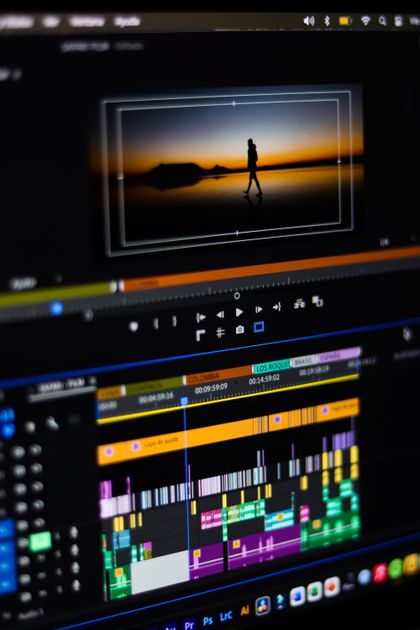
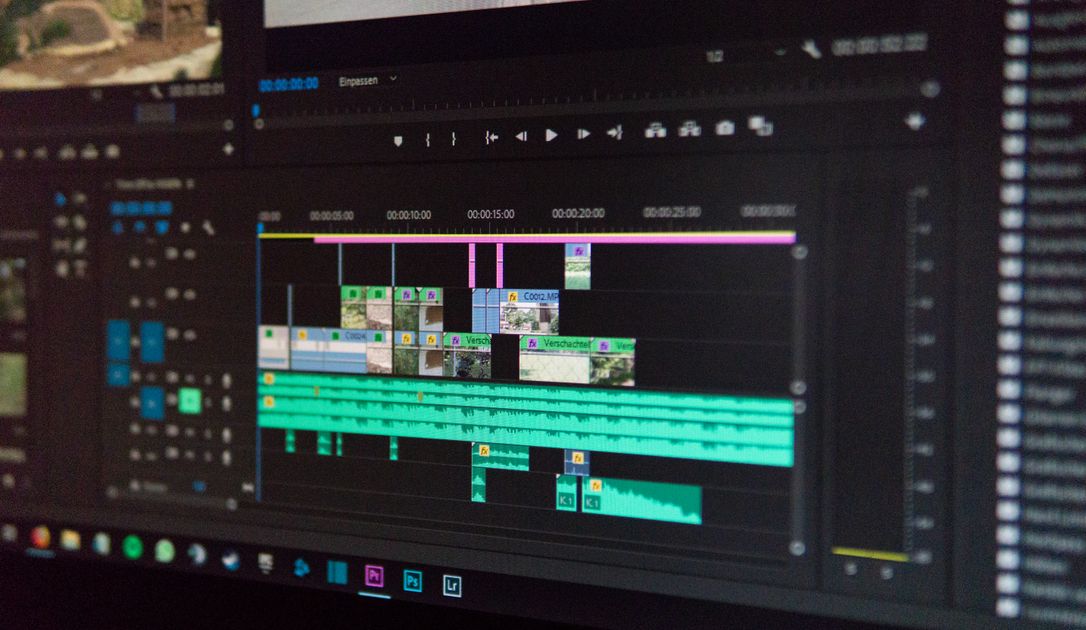
Transcript-Based Editing vs Traditional Editing
Transcript-based editing and traditional editing aren't competing philosophies. They're complementary stages of the same editorial process. Here's how they differ.
13 articles
Systems for efficient, story-driven editorial production.

Transcript-based editing and traditional editing aren't competing philosophies. They're complementary stages of the same editorial process. Here's how they differ.

The hardest part of documentary editing isn't learning the software. It's discovering the story hidden inside hours of interviews before the timeline begins.

The hardest part of documentary editing isn't cutting footage. It's understanding the material. Finding the story often takes longer than building the timeline.

The strongest documentaries aren't built by experimenting inside a timeline. They emerge from editorial thinking that happens long before the first clip is cut.

Reducing 20 hours of interview footage to a 10-minute film isn't about compression. It's about discovery—finding which 10 minutes deserve to exist.

Highlighting transcripts and creating a paper edit are related but different. One collects information; the other organizes it into a narrative. Here's the difference.

Premiere Text-Based Editing and AI story editors seem similar but solve two different problems: retrieval vs story discovery. Here is how they differ and why workflows benefit from both.

AI story editors accelerate story discovery, not decision-making. Here is what AI can actually do with interview transcripts today, and where human editorial judgment remains irreplaceable.

Professional editors don't become faster by clicking quicker. They become faster by stopping the timeline from solving problems it was never designed to solve. Here's why discovery belongs outside the timeline.

Text-based video editing turns spoken dialogue into searchable text, letting editors navigate, review, and structure stories before touching the timeline. Here's how it works and when to use it.

AutoEdit automates repetitive timeline tasks — silence removal, filler words, multicam sync. But if your bottleneck is finding the story inside hours of interviews, a different kind of AI tool solves the earlier problem.

Story producers are handing editors AI-generated paper edits full of quotes that don't exist. Here's why language generation is the wrong tool for editorial workflows — and what a better approach looks like.

AI is not replacing editors — it is eliminating the part of the job that was never really editing. Here is how AI story editors are changing the interview-based production workflow.
Bring an interview project into Supacut and start finding the material worth cutting.
Get Supacut